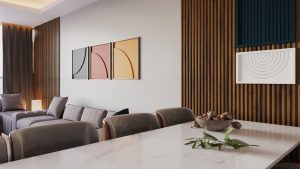
With over 10 years of experience in interior design, our company has developed a strong ability to create spaces that perfectly balance aesthetics and functionality. This extensive experience has allowed us to refine not only our design skills but also our understanding of our clients’ unique needs, enabling us to deliver tailored solutions for each project.
My Approach to Interior Design
I believe that interior design is about much more than just making a space look good—it’s about creating environments that are both visually pleasing and highly functional. In every project, I focus on the following key areas:
Space Analysis and Needs Assessment: Before starting any design, I take the time to carefully analyze both the client’s needs and the physical characteristics of the space. This is the foundation for everything, allowing me to create spaces that are not only beautiful but also efficient.
Smart Layout Planning: Once the needs are clear, I work on ensuring that every inch of space is used efficiently. I pay close attention to how the space flows and how the functionality of each area works in harmony with the overall design.
Lighting and Color Management: I see lighting as one of the most important elements in creating the right atmosphere in a space. I make sure to use natural light as much as possible, while also carefully selecting color palettes that enhance the mood and style of each room.
High-Quality Material Selection: The materials used in interior design are not only about aesthetics but also durability and practicality. I always select high-quality, long-lasting materials to ensure that the space remains functional and beautiful for years to come.
The Role of Photo-Realistic Visuals in My Work
One of the key aspects that sets my designs apart is the use of photo-realistic visuals. These renders help bring my designs to life, making it easier for clients to visualize the final outcome and understand how the space will look and feel.
Realistic Visuals: I create photo-realistic renderings that capture every detail—light, shadows, reflections, and textures—to provide a true representation of what the space will look like in real life. This allows my clients to get a clear idea of the finished design before any physical work begins.
Design Approval Process: These visuals are invaluable in streamlining the design approval process. Clients can easily see and suggest changes to the design through these realistic renderings, which helps to avoid misunderstandings and delays.
Marketing and Presentation Tool: I also use these visuals as an effective marketing tool. They not only help my clients envision the final result but also demonstrate the level of expertise and professionalism that goes into every project.
Conclusion
With 10 years of experience in the field, I’ve learned that successful interior design goes beyond simply creating a beautiful space. It’s about making spaces that are both functional and meaningful for those who use them. By incorporating photo-realistic visuals into my design process, I’m able to ensure my clients have a clear and accurate picture of the final result, which makes the entire design experience smoother and more efficient. Every space I design is a reflection of my passion for both creativity and practicality.